Why Science Education Must Evolve
Today’s high school students are coming of age in a world shaped by powerful technologies, global crises, and unprecedented connectivity. These same forces are generating what Human Energy’s research identifies as the
techno-social dilemma: a measurable epidemic of anxiety, meaninglessness, and despair among young people, who are struggling to comprehend, manage, and find purpose within an increasingly complex, volatile, and interconnected world.
Human Energy’s
Science Education for an Interconnected World Curriculum helps students understand themselves not just as isolated individuals, but as active participants in a larger, evolving web of meaning, values, and responsibility.

Science Education in the Context of an Evolving Noosphere
Pierre Teilhard de Chardin first theorized the noosphere a century ago: as the evolving planetary sphere of collective intelligence, global knowledge, and common human purpose facilitated by communication technologies—from symbolic language to computing. With Teilhard, we at Human Energy envision a future where humanity consciously evolves towards our full collective potential, in harmony with technology and the planet, and we’re committed to bringing this inspiring vision to young people through world-class integrative education.
Demonstrating the alignment of the noosphere with the
Next Generation Science Standards (NGSS), we provide high school teachers with tools to help students—future leaders, community-builders, and global citizens—develop a grounded sense of optimism and agency about the future they are helping to create.

The Curriculum
Science Education for an Interconnected World provides a comprehensive map of how noospheric elements correspond to the K–12 Next Generation Science Standards (NGSS). It also offers concrete, standards‑aligned tools and resources that help teachers introduce students to ideas of global interdependence, collective intelligence, and ethical responsibility for the Common Good in a rapidly changing technological world.

Professional Development for Teachers
To support implementation of the Science Education for an Interconnected World curriculum, Human Energy also provides a program of teacher development. Our workshops are led by the curriculum developers, who are also seasoned education professors and teachers. Emily DeMoor and Michelle Haj‑Broussard have led multiple cohorts of teachers from across the US (primarily at the high school level) through the curriculum, inviting them to adopt, adapt, and build on these noosphere-shaped learning experiences. We have also learned from these early cohorts and refined the curriculum and the workshops in response.
In combination, our workshop leaders bring decades of experience in science, ecology, math, and engineering curriculum development and teacher-education, as well as extensive experience in a range of Catholic educational contexts. Their credentials are detailed below.
Dr. Emily DeMoor opens the workshop by introducing the noosphere and six noospheric elements, guiding participants through interactive activities that bring each element to life. Dr. Michelle Haj‑Broussard then revisits the six elements and connects them to three noosphere‑aligned
TeachEngineering activities: (1)
Hurricane! Saving Lives with Logical Reasoning and Computer Science; (2)
Genetic Engineering ; and (3)
Off the Grid. She models classroom implementation, demonstrates sample student activities, and supports teachers in using associated TeachEngineering surveys. Teachers, who are active participants in the training workshop, are encouraged to integrate the lessons into their classes in the semester following the workshop. To date, this training has been delivered to two successive cohorts of teachersOnline workshops for teachers are offered during the summer and may be scheduled at other times or in other modalities

Resources for Educators
- A detailed curriculum map aligning noospheric concepts with NGSS ready‑to‑use and adaptable high school “Noospheric Connections” slide decks
- Sample NGSS-aligned TeachEngineering lessons and activities that help students explore urgent real‑world issues—such as climate resilience, genetic engineering, and energy use—through a noospheric lens
- A narrative description of the project’s goals and methods
Opportunity for Catholic High Schools & Their Science Teachers
Human Energy is currently inviting Catholic high schools across the US to partner with us by sponsoring one or more of their science teachers to participate in a training workshop. This 12-hour workshop, delivered via Zoom over three days, is specifically designed to serve the integrative educational mission of Catholic high schools: supporting the formation of students through science education that engages the Catholic Intellectual Tradition and Catholic Social Teaching, in ways fully consistent with national science standards.
- ✸ Participants will receive a Certificate of Completion documenting 12 contact hours of professional development and continuing formation, which may qualify toward school, diocesan, or state professional development requirements.
- ✸ For more information on the curriculum, workshop schedule, pricing, or partnership, please contact Dr. Ellen Rigsby, Human Energy Education Network Liaison, ellen@humanenergy.io
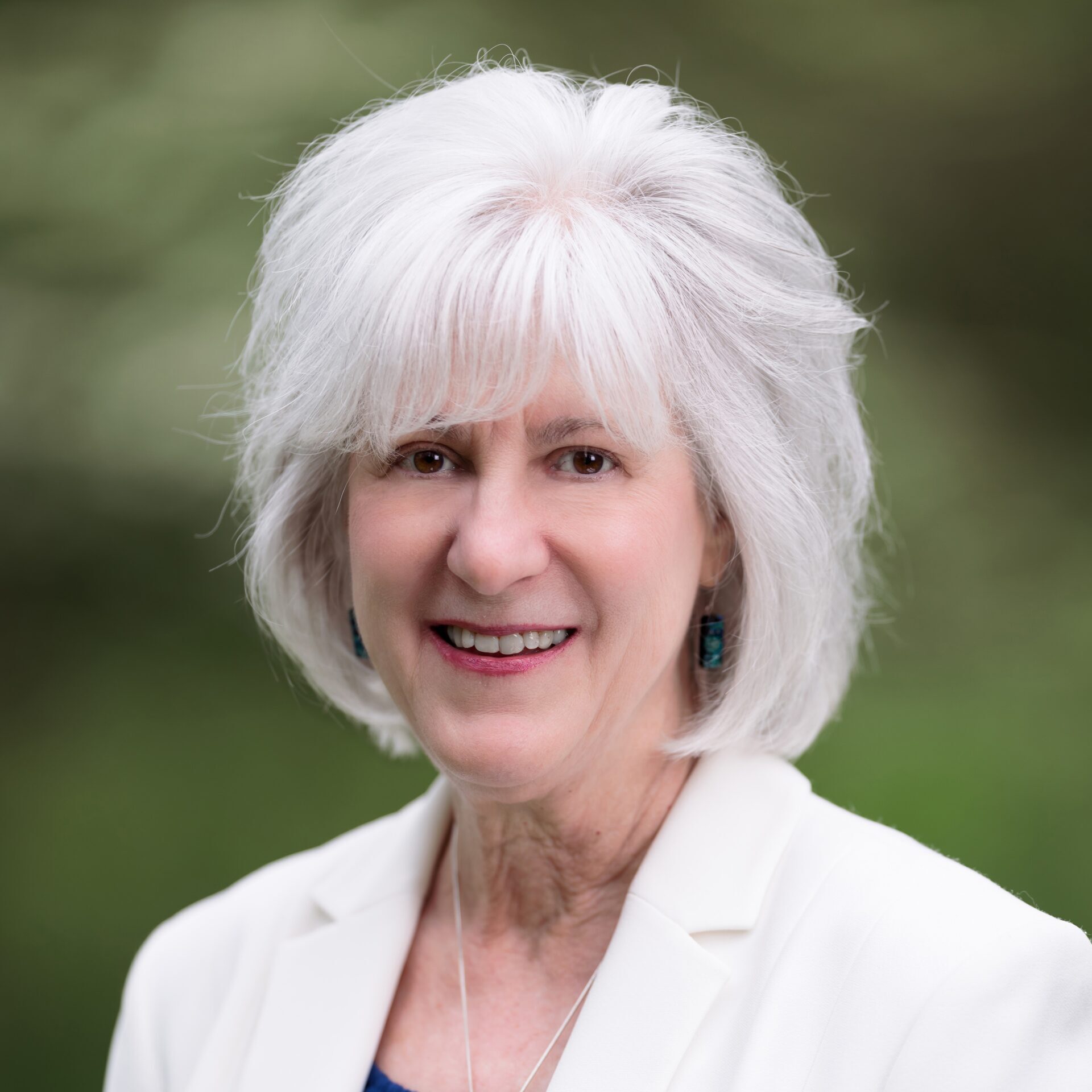
Dr. Emily DeMoor
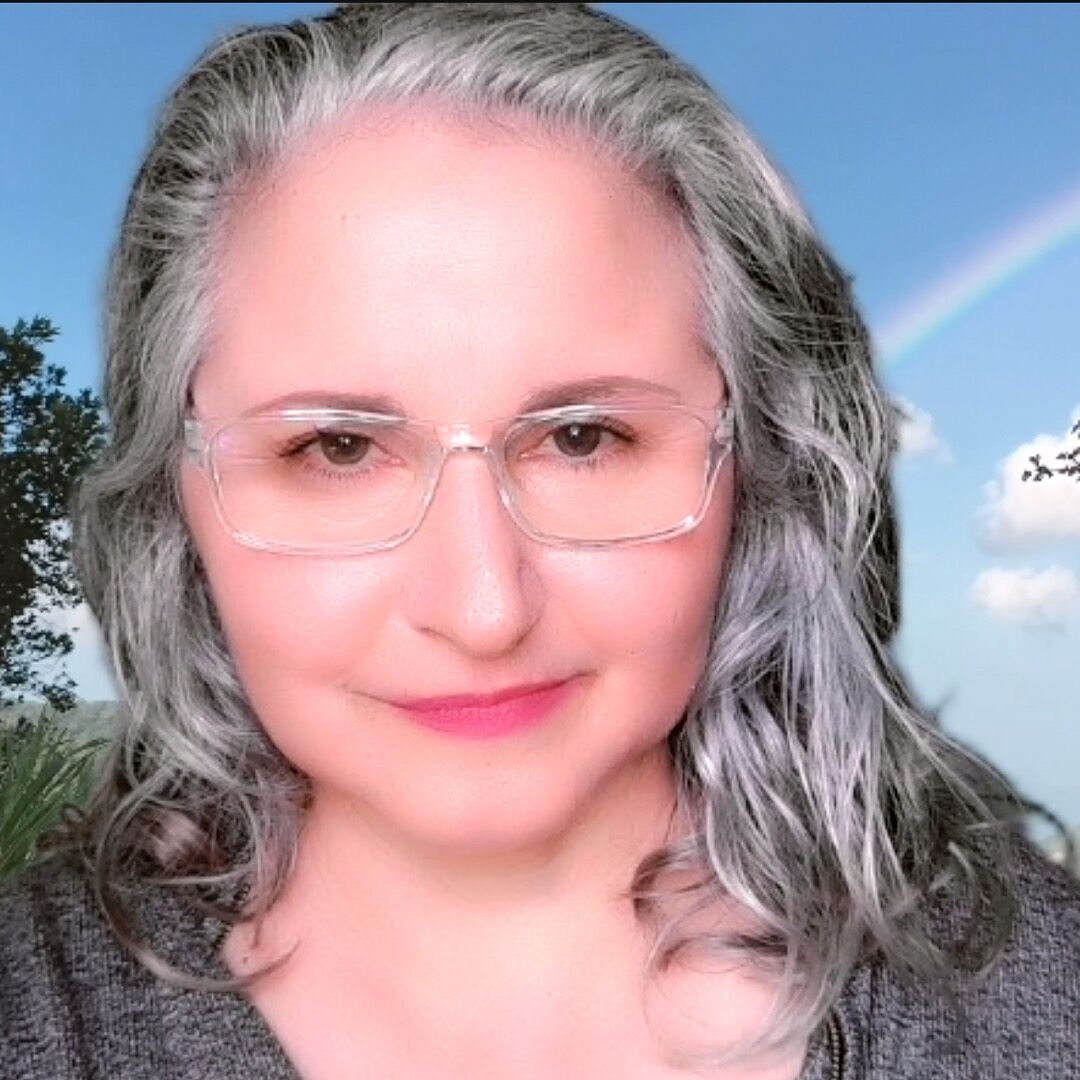
Dr. Michelle Haj-Broussard
Our Curriculum & Teacher Development Team
The curriculum for Science Education for an Interconnected World was developed by Human Energy consultants Drs. Emily DeMoor and Dr. Michelle Haj-Broussard, and they lead our teacher professional development workshops.
Emily DeMoor holds a Ph.D. in Curriculum and Instruction from Louisiana State University, with an emphasis on environmental education. The title of her doctoral dissertation (2004) is Soils of Regeneration: Exploring Conceptualizations of the Natural World as a Context for an Ecologically-Sensitive Curriculum. She also has a Master of Pastoral Studies degree from the Loyola Institute for Ministry, with a focus area in Religion and Ecology. She is a certified Master Environmental Educator and a Climate Reality Project Leader, with additional certifications in Project WET (Water Education Today), Project WILD (Association of Fish & Wildlife Agencies), Project Learning Tree, and Permaculture. In 2016-2017 Dr. DeMoor contributed to the development of the Science Curriculum Standards, based on the Next Generation Science Standards (NGSS), for the Diocese of Owensboro, Kentucky, by writing an introductory essay and mapping Catholic identity to each of the K-12 science standards. This document was featured on the National Catholic Education Association (NCEA) website and adopted by several dioceses throughout the U.S. In addition to serving as a consultant to Human Energy, she has served as the Director of the Caritas Center at Brescia University and the Director of WISR Circles for the World Institute for Science, Religion, and Culture (formerly known as the Center for Christogenesis). She currently works as a freelance educational consultant, writer, and artist.
Michelle Haj-Broussard holds a Ph.D. in Curriculum and Instruction from Louisiana State University and a Master’s in Secondary Education from the University of Louisiana at Lafayette. She was selected by the French Education Ministry to join an international cohort to receive training for the Main à la pâte science initiative. This initiative was launched by 1992 Nobel Laureate in Physics, Georges Charpak, his colleagues, and the French Academy of Science in order to offer a free hands-on science program for disadvantaged schools. Michelle used this program as well as her training through the school system on Full Option Science System and the Bureau of Education and Research Training. She has taught Science methods at the undergraduate and graduate level as well as science in French at the K-12 level. Her work also includes workshop and graduate courses for language immersion teachers on how to teach language and science simultaneously and how to teach writing and differentiate curriculum through science.

